Binance and Trump-Linked USD1: Unpacking the Giant of Stablecoins
Binance’s Dominance in USD1 Holdings
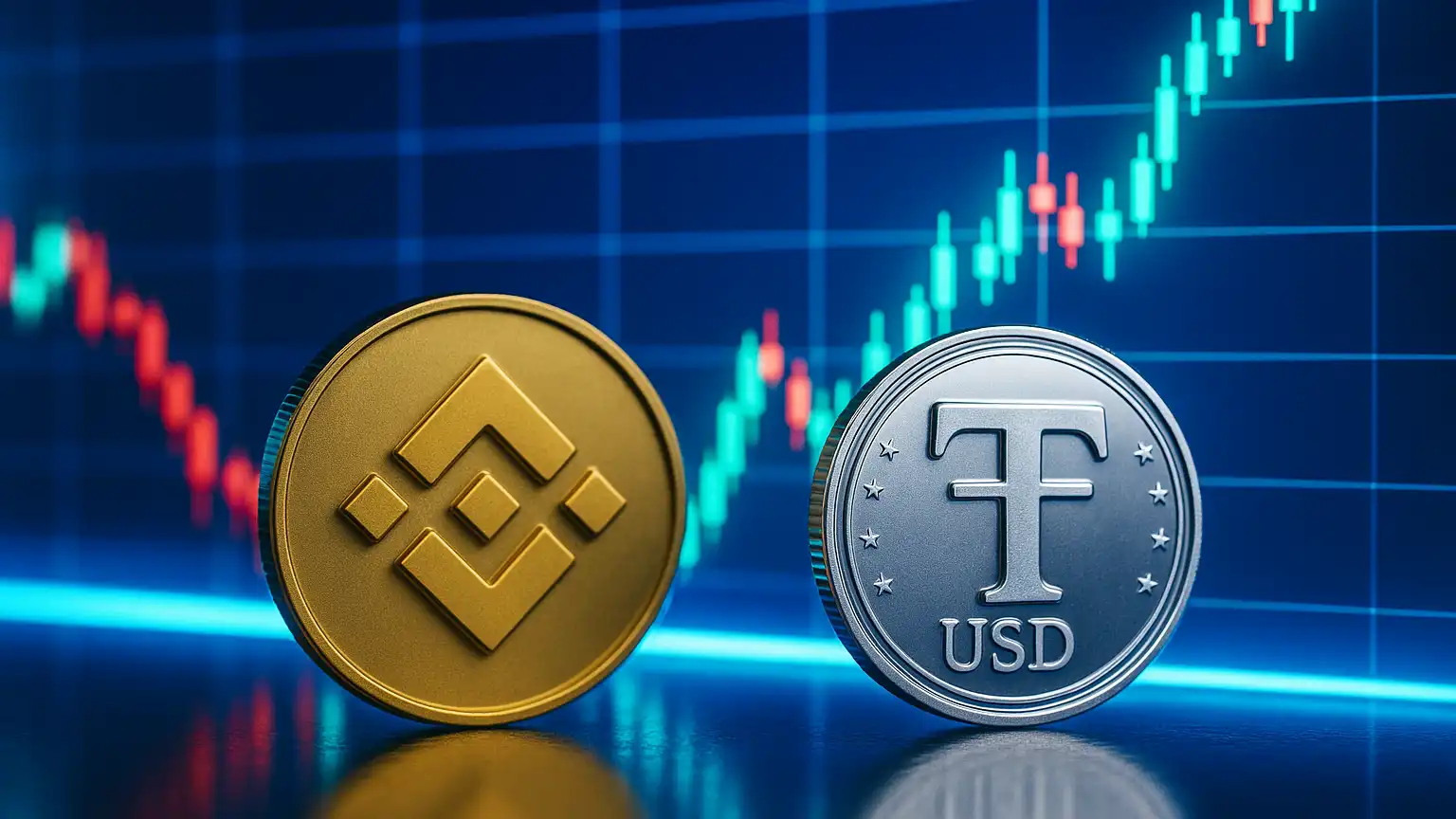
Binance, one of the leading cryptocurrency exchanges globally, has been at the center of attention following a Forbes report revealing its dominant position in the USD1 stablecoin market. This particular cryptocurrency, curiously linked to the Trump family, has drawn vast amounts of scrutiny and speculation. Binance reportedly holds around 87% of USD1’s total circulating supply, which translates to approximately $4.7 billion out of the $5.4 billion in existence. The concentration of such a substantial share of a stablecoin on a single platform raises numerous questions about both centralized power and the delicate balance of market influences in the crypto space.
The Origins and Controversy of USD1
The USD1 stablecoin was launched in March 2025 by World Liberty Financial, a venture with connections to former President Donald Trump and several members of his family. This association introduced a layer of political intrigue into the cryptocurrency space. Binance founder Changpeng Zhao was among the first prominent figures to highlight the launch, which was immediately met with skepticism due to the political affiliations and potential motivations behind the project. Critics, such as independent researcher Molly White, expressed concerns about the risks posed by such prominent concentration of assets, while others questioned whether USD1 was a viable stablecoin or simply a vehicle for political leverage.
Changpeng Zhao’s Rebuttal
Amidst the waves of criticism, Binance’s founder Changpeng “CZ” Zhao has been vocal in defending the exchange’s position. He argues that Binance’s user base naturally gravitates towards a wide array of stablecoins, not just USD1, due to the exchange’s comprehensive offerings and market trust. Zhao suggests that the large holdings of USD1 reflect user demand rather than any undue influence or favorable treatment linked to political figures. His public rebuttals attempt to portray Binance’s dominance in this market as part of a broader trend rather than an anomaly exclusive to USD1.
Broader Implications of Exchange Centralization
Centralization remains a critical topic of discussion in the cryptocurrency community, especially when a significant proportion of an asset is concentrated within a single platform. This situation becomes more precarious when considering the potential vulnerabilities related to legal, operational, or market events that could disrupt access or control. Binance’s handling of USD1 exemplifies the potential for centralization to create systemic risks, prompting further debate about the need for diverse, decentralized alternatives to safeguard against market instability.
A Broader Trend: FUD and Binance’s Market Reality
The scrutiny surrounding USD1 is part of a larger narrative involving Binance and Changpeng Zhao, who have faced relentless focus from both regulators and market commentators. The concept of Fear, Uncertainty, and Doubt (FUD) is frequently invoked by Zhao, who claims that a calculated campaign against the company seeks to undermine its market role. Adding to this narrative are incidents involving fake social media profiles propagating FUD, and reports suggesting orchestrated smear campaigns aimed at skewing public perception against Binance.
Binance’s Continued Market Dominance
Despite the controversies surrounding the USD1 stablecoin, Binance’s influence in the cryptocurrency market remains substantial. A demonstrative report showed that in 2025 Binance commanded 41% of the spot trading volume and 42% of Bitcoin perpetual futures volume, highlighting its extensive reach and influence. Additionally, Binance was reported to control a significant portion of reserve assets for other major stablecoins such as USDT and USDC. These statistics reinforce CZ’s assertion that large holdings are typical for Binance users, not exclusive to USD1.
The Role of Stablecoins in Crypto’s Future
As the cryptocurrency landscape continues to evolve, stablecoins like USD1 play an increasingly pivotal role in providing liquidity and stability within such volatile markets. However, the discussion around Binance’s control over USD1 underscores the need for balanced regulatory oversight and diversified holdings to ensure the robustness of the crypto ecosystem. Moving forward, the industry must reconcile the innovative advantages of stablecoins with the risks inherent in their concentrated distribution.
Conclusion
The saga of USD1 at Binance encapsulates the complex dynamics at play in cryptocurrency markets today, where technology, politics, and finance intersect. It raises questions about centralized influences, regulatory scrutiny, and the future of digital assets within emerging economies. As stablecoins continue to be scrutinized and developed, their regulation and deployment could shape the next phase of finance. The crypto community will undoubtedly watch closely, keen to safeguard the ideals of decentralization while still utilizing exchange-grown ecosystems to leverage growth opportunities.