Iran’s Crypto Economy: A Financial Revolution Amid Chaos
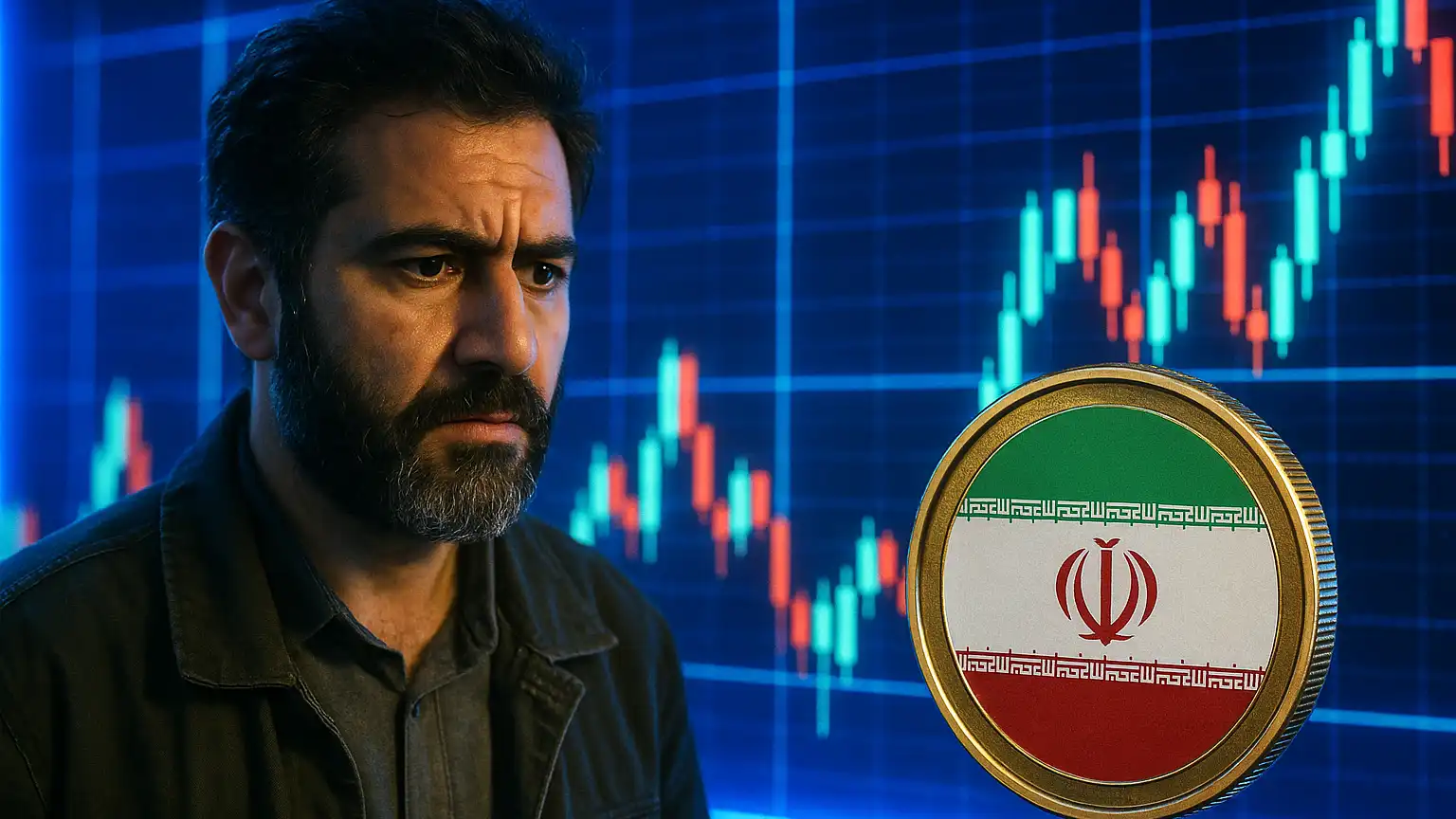
The Rise of Cryptocurrency in Iran
The emergence of cryptocurrency in Iran has been nothing short of revolutionary. According to a recent report by blockchain analytics firm Chainalysis, Iran’s cryptocurrency ecosystem reached a total activity of more than $7.78 billion in 2025. This growth has been particularly remarkable given the economic and geopolitical turmoil that has gripped the nation. From international sanctions to internal protests, Iran has been under constant pressure. Nonetheless, its cryptocurrency landscape has thrived, expanding at a faster pace compared to the previous year.
The country’s growing engagement with digital currencies highlights the dual role of cryptocurrency as both a hedge against inflation and a political statement. It has become a tool of choice for citizens seeking to preserve the value of their wealth amidst a plummeting rial and soaring inflation rates. Not merely an economic artifact, cryptocurrency in Iran is deeply interwoven with the socio-political fabric, responding dynamically to the pressures and opportunities posed by contemporary challenges.
Economic Pressures and the Shift to Digital Currencies
Economic instability in Iran has been a significant driver of this shift towards cryptocurrency. The rial has suffered dramatic depreciation, losing approximately 90% of its value since 2018. Coupled with an inflation rate that hovers between 40-50%, it is no surprise that Iranians are seeking alternatives. Cryptocurrency, with its decentralized nature and potential for wealth preservation, offers an attractive option. It safeguards citizens against the systemic failures of the national economy, providing a semblance of financial stability in an otherwise turbulent market.
The Role of Sanctions in Crypto Adoption
International sanctions have made traditional financial transactions more cumbersome for Iranians, thereby accelerating the adoption of cryptocurrency. With restrictions on global banking options, many are turning to digital currencies to facilitate international trade, remittances, and everyday transactions. This form of financial maneuvering showcases the viral adaptability of cryptocurrency in constrained environments, turning regulatory barriers into fuel for innovation. It underscores a critical insight: in the face of adversity, alternatives like Bitcoin and Ethereum find fertile ground to replace conventional financial systems.
A Reflection of Political and Social Unrest
The socio-political climate in Iran adds another layer to the cryptocurrency narrative. With widespread protests and civil unrest, citizens often turn to crypto not just as a financial tool, but as an expression of dissent. The internet blackouts and governmental control over information flows have led to substantial surges in crypto activity, particularly noticeable in the dramatic withdrawal rates from Iranian exchanges to personal wallets reported by Chainalysis. These actions suggest a growing preference for self-custody and anonymous transactions, signaling deeper societal shifts and adaptability in the face of tumultuous governance.
The Strategic Use of Crypto by the IRGC
A significant dynamic in Iran’s cryptocurrency saga is the growing involvement of the Islamic Revolutionary Guard Corps (IRGC). Chainalysis reports that the IRGC now commands a formidable presence within the nation’s crypto economy, with its linked networks accounting for over 50% of the total value received in late 2025. Estimated to have handled more than $3 billion last year alone, this involvement underscores strategic motivations, including sanctions evasion and financing illicit activities. The IRGC’s intricate network utilizes sophisticated methods to shield their operations from international scrutiny, utilizing shell companies and anonymous wallets to maintain this financial clout.
IRGC and Economic Manipulation
The IRGC’s use of cryptocurrency also plays into broader economic strategies. As one of the most influential entities in Iran’s political and financial spheres, their adoption of crypto serves as a mechanism to potentially stabilize, or at times manipulate, the internal market. By leveraging digital currencies for offshore transactions and internal financing, the IRGC continues to assert its dominance, extending its reach globally while maintaining local control over economic narratives. Their actions reflect a calculated effort to outmaneuver global financial policing while building a robust economy insulated from external pressures.
Cryptocurrency as a Geopolitical Tool
Cryptocurrencies in Iran have also morphed into tools of geopolitical resilience. Beyond financial manipulation, they offer a vehicle for resource acquisition and strategic positioning. Chainalysis reports highlight how cryptos were harnessed during notable geopolitical flashpoints, such as the cyberattacks on Iran’s largest cryptocurrency exchange, Nobitex, and other financial institutions. These events illustrate the dual-use nature of cryptocurrencies: as both assets and instruments of statecraft in the high-stakes arena of international relations and conflict.
An Uncertain but Promising Future
As Iran navigates its complicated socio-economic and geopolitical landscape, the role of cryptocurrency is poised to grow further. The continuing maturation of this ecosystem is contingent upon several variables, including international political developments, domestic policy shifts, and technological advancements within blockchain and cryptography fields. Despite existing uncertainties, the trajectory suggests a future where digital currencies not only facilitate individual and institutional financial strategies but also carve new paradigms of autonomy in a digitally interconnected global sphere.
In conclusion, Iran’s evolving crypto economy reflects the transformative power of digital currencies in even the most restrictive environments. As a lifeline for ordinary citizens, a strategic arsenal for the IRGC, and a battleground for geopolitical conflict, cryptocurrency is reshaping the financial ethos of Iran. What lies ahead is an intricate dance of change, driven by the enduring promise and potential of blockchain to redefine economies and societies worldwide.